

Home / Events / RCon® 2026 / Agenda / Rapid Insights Sessions


Rapid Insights Sessions


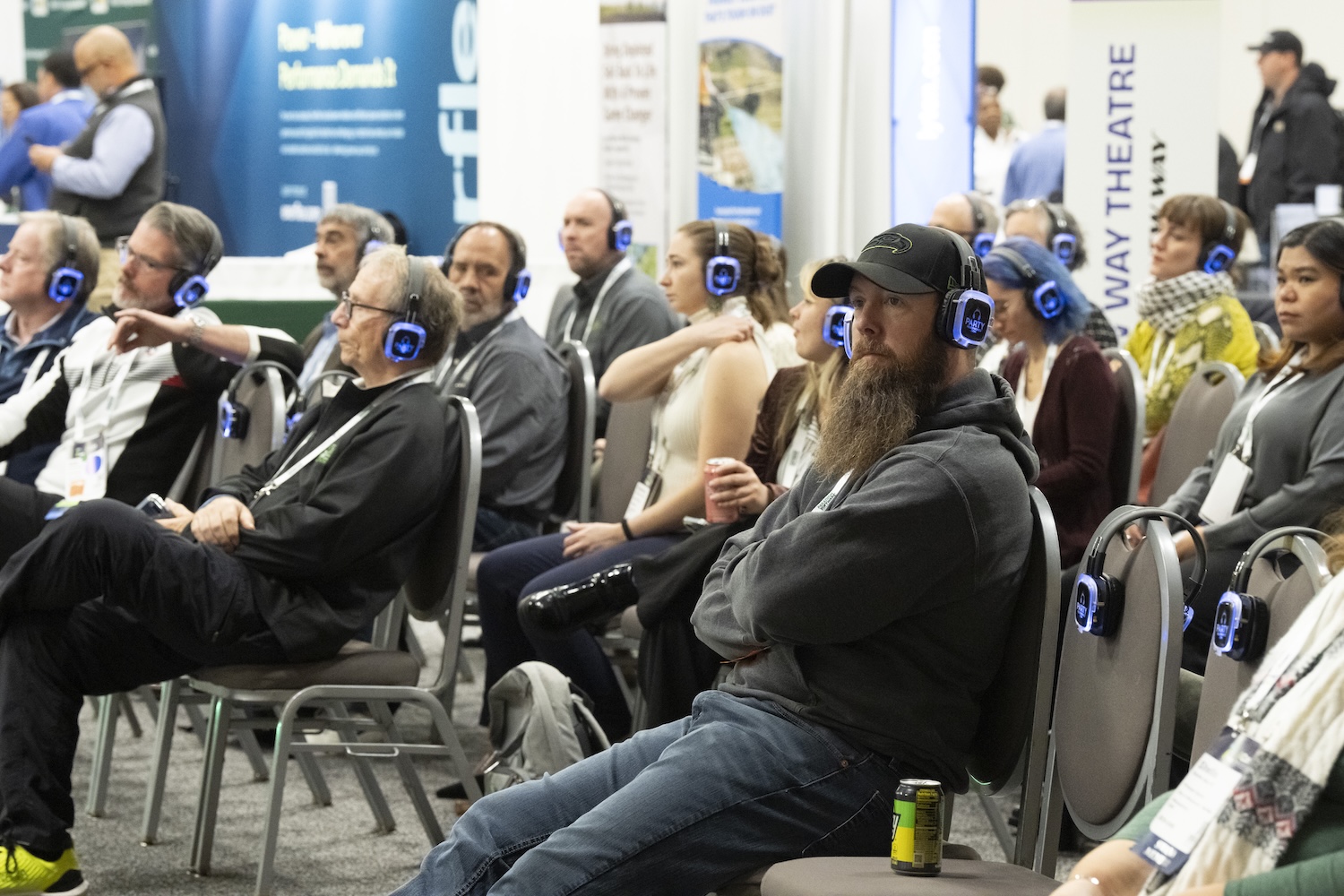
RCon® Sponsors share 20-minute informational Rapid Insights presentations in the New Way® Theatre, highlighting topics of importance to your daily operation. 


Wednesday, September 30


Short-Staffed at the Scale: What Automation Can (and Can’t) Do

Wednesday, September 30, 11:10 A.M. - 11:40 A.M. CDT | New Way Theatre

We argue that the labor shortage hitting solid waste operators lands hardest at the scalehouse, since it's the pinch point every truck must pass through, and that automation offers two genuine wins there: unattended kiosks that handle routine hauler traffic without adding staff, and automated data capture that reduces errors in billing and reporting. It frames automation as being "in service of people" rather than a replacement for them, freeing scarce human staff for judgment-heavy work while machines handle high-volume, routine transactions. The recommended approach is to start small with one well-understood, low-risk process, keep a clear path for exceptions to reach a person, and invest in solid foundational setup before scaling up.

Presented by
 

Every Leak Has a Cost: Modernizing Methane Monitoring from Reactive to Real-Time

Wednesday, September 30, 11:50 A.M. - 12:20 P.M. CDT | New Way Theatre

Speaker

  • Andres Quijano, Sales Manager | Ideagen Envirosuite

Landfill methane is becoming more visible, measurable, and regulated as governments adopt satellites, drones, and continuous monitoring technologies. This session will examine regulatory developments in the United States, Canada, the United Kingdom, Australia, and Chile, along with the monitoring methods shaping compliance. Attendees will gain practical insight into emerging expectations and how landfill operators can prepare for increased scrutiny.

Presented by
 

Maximizing Truck Life: Maintenance Operation & Uptime

Wednesday, September 30, 12:30 P.M. - 1:45 P.M. | New Way Theatre

New Way Trucks will lead a discussion on the importance of proper truck maintenance and operation. We will explore why components fail, common maintenance mistakes, and how everyday operator habits can decelerate wear and tear. We will also discuss where trucks experience the most wear, the role of proper operation and service training, and why the first 60 days with a new truck are critical to establishing good practices and maximizing equipment life and uptime.

Presented by
 

Building the Modern Waste Enterprise          

Wednesday, September 30, 2:00 P.M. - 2:30 P.M. CDT | New Way Theatre

Waste and recycling organizations are under growing pressure to improve efficiency, control costs, and make faster decisions. Yet many still rely on disconnected systems that limit visibility across operations, fleet, customer, and financial data.

This session explores how leading organizations are building a modern waste enterprise by connecting operational and financial information to create real-time visibility, improve profitability, and support smarter decision-making. Attendees will learn practical strategies for breaking down data silos, leveraging AI beyond route optimization, and creating a scalable foundation for future growth. Through industry examples and actionable insights, participants will gain a roadmap for transforming data into a competitive advantage.

Presented by

Thursday, October 1


Battery Collection and Recycling: New EPA Resources and Emerging Trends

Thursday, October 1, 11:10 A.M. - 11:40 A.M. CDT | New Way Theatre

Speaker

  • Kimberly Cochran, Manager of the Waste Measurement and Circular Economy Branch | U.S. Environmental Protection Agency

Join Dr. Kimberly Cochran, Manager of the Waste Measurement and Circular Economy Branch in the U.S. EPA's Office of Resource Conservation and Recovery, for an update on the agency's recently completed Battery Collection Best Practices Report to Congress and accompanying Best Practices Toolkit. Dr. Cochran will discuss strategies for improving battery collection and recycling, share insights on emerging challenges and opportunities, and reflect on the 50th anniversary of the Resource Conservation and Recovery Act (RCRA). With 25 years of experience addressing hazardous and non-hazardous waste issues at the local, state, national, and international levels, Dr. Cochran brings a broad perspective on advancing sustainable materials management and resource conservation.

Presented by
EPA-Logo
 

Enhancing Landfill Gas Control with an Innovative Integrated Cover and Shallow Gas Collection Technology

Thursday, October 1, 12:30 P.M. - 1:00 P.M. CDT | New Way Theatre

Increased regulations regarding landfill gas emissions have caused additional scrutiny and expense for solid waste landfill operators. This presentation will focus on new technologies to address these areas of concern. As an intermediate cover system, CapSure utilizes a multi-layered geosynthetic barrier that minimizes water infiltration, enhances gas containment while providing a slip resistant surface, resulting in significant reductions in leachate and fugitive emissions. For landfills with onsite gas to energy or RNG facilities, CapSure can be paired with EasyFlo, which incorporates a unique surficial gas collection system. In field trials, CapSUre + EasyFlo demonstrates up to a 61% increase in landfill gas collection.

Presented by
Watershed_Geo-Logo
 

5 Stages of Community Engagement 

Thursday, October 1, 1:15 P.M. - 1:45 P.M. CDT | New Way Theatre

As communities expand closer to wastewater and solid waste facilities, concerns about odor, noise, dust, and other environmental impacts can quickly escalate into regulatory, operational, and reputational risks. This session introduces a five-stage community engagement maturity model that helps organizations assess their current approach and progress from reactive complaint management to proactive, collaborative relationships. Attendees will explore three practical strategies for anticipating impacts, closing the loop on community concerns, and building trust through transparent communication. They will leave with an actionable 90-day framework for strengthening environmental monitoring, improving complaint response, and advancing their organization to the next stage of community engagement.

Presented by